
Vehicle Depreciation Explained: Why Your Car Loses Value and How Fast
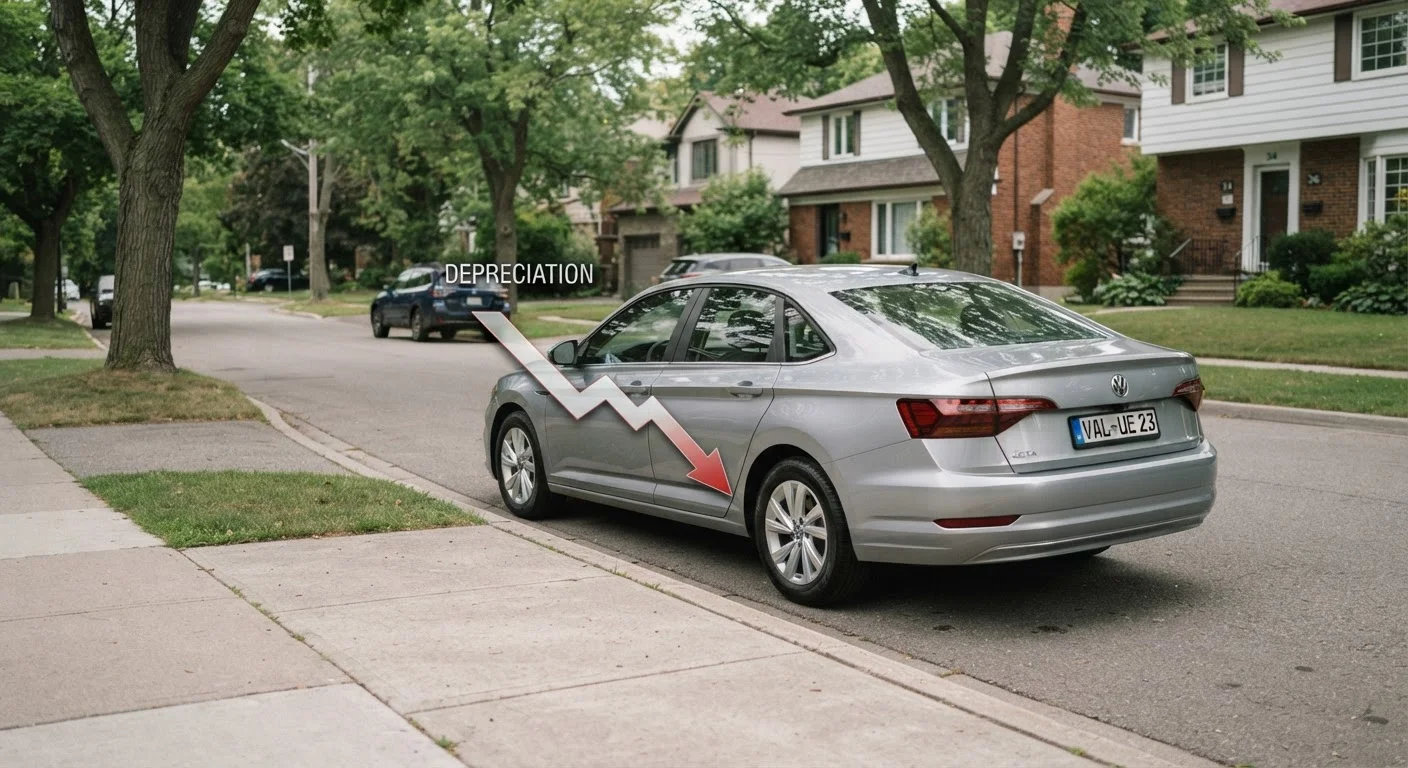
Photo credit: AdvisorHQ.net | Informative Website
In this article
Most cars lose a significant portion of their value in the first few years. Learn what depreciation is, what drives it, and why it matters.
Key Takeaways
- New cars typically lose 15-25% of their value in the first year of ownership.
- Depreciation is often the single largest cost of car ownership over the long term.
- Factors like mileage, condition, brand reputation, and fuel type all influence how fast a car depreciates.
- Used vehicles depreciate more slowly because they have already absorbed the steepest initial drop.
- Understanding depreciation helps you make smarter decisions when buying, selling, or leasing a vehicle.
What Depreciation Actually Means for Car Owners
When you buy a car - especially a new one - you are acquiring an asset that declines in value over time. That decline is depreciation. Unlike a mortgage payment or insurance premium, depreciation is not a bill you receive. Instead, it silently erodes the resale value of your vehicle every month you own it.
For everyday drivers, depreciation matters because it represents real money. If you paid $35,000 for a new car and its market value is $24,000 three years later, you have experienced $11,000 in depreciation - regardless of how well you maintained it. That loss is part of the true cost of ownership, and it often dwarfs what people spend on fuel or maintenance. See how it fits into the full picture in our guide to the true cost of car ownership.
~20%
Average first-year value loss for new vehicles
Industry estimates from automotive valuation sources suggest new cars commonly lose 15-25% of their value in year one.
40-60%
Typical value lost over five years
Many new vehicles lose nearly half their purchase price within five years, though rates vary widely by model and market demand.
#1
Depreciation as a share of total ownership cost
For many drivers, depreciation represents the single largest component of total vehicle ownership expense over a typical ownership period.
Why Cars Lose Value: The Key Drivers
Depreciation is not arbitrary. Several well-understood factors determine how quickly a vehicle sheds value:
- Age: Older vehicles are generally worth less, all else being equal. Time alone reduces perceived desirability and increases the likelihood of mechanical wear.
- Mileage: Higher odometer readings signal more wear on the engine, transmission, and other components. Lenders and buyers use mileage as a proxy for remaining useful life.
- Condition: Dents, interior wear, accident history, and deferred maintenance all reduce what a buyer will pay.
- Market demand: A model that falls out of fashion - or whose segment loses popularity - depreciates faster. Conversely, high-demand vehicles can hold value better.
- Brand reliability reputation: Vehicles from manufacturers with strong reliability track records tend to retain value longer because buyers perceive lower risk.
- Fuel type and technology: Rapid changes in technology - particularly with electric and hybrid vehicles - can make older powertrains feel outdated faster, affecting resale value.
Accident History Has a Lasting Impact
A vehicle with a reported accident on its history - even if repaired professionally - typically sells for less than a comparable accident-free vehicle. This 'diminished value' can persist for the life of the car and is an important factor both when buying and when assessing how well your vehicle is likely to hold its value.
How Fast Do Cars Typically Depreciate?
Depreciation is steepest in the early years of a vehicle's life. Industry data generally suggests that a new car can lose somewhere between 15% and 25% of its value in the first year alone. By the end of five years, many vehicles have lost 40-60% of their original purchase price, though this varies considerably by make, model, and market conditions.
The depreciation curve is not linear. It starts steep and gradually flattens. A five-year-old car typically loses value more slowly than a one-year-old car in dollar terms. This is one reason used vehicles are often considered a financially efficient choice - the steepest depreciation has already occurred. Our article on buying new vs. used explores this dynamic in detail.
“Depreciation is the cost most car buyers forget to calculate. It's not on the window sticker, but over a five-year ownership period, it typically exceeds what you'll spend on fuel.”
— Consumer Financial Literacy Educators, Automotive financial education advocates
Depreciation and the Decisions You Make
Understanding depreciation changes how you think about several common car ownership decisions:
Buying new versus used: A used car that is two to three years old has already absorbed most of its early depreciation. You may get most of the vehicle's useful remaining life at a meaningfully lower price point.
Leasing: Lease payments are structured around projected depreciation - you pay for the value the car loses during the lease term. Vehicles that depreciate heavily often carry higher lease payments. Leasing a car involves trade-offs that depreciation rates help explain.
Financing: If you finance a vehicle and it depreciates faster than your loan balance decreases, you risk negative equity - a situation where you owe more than the car is worth. Gap insurance (a separate product) is designed to address this risk; consult a licensed insurance professional about whether it applies to your situation.
Timing of sale: Selling a vehicle before it enters its highest-depreciation period - or after that period has passed - can affect how much you recover. First-time owners in particular benefit from understanding this. Our first-time owner guide covers many related financial surprises.
For a comprehensive overview of how depreciation fits within long-term ownership planning, see our complete picture of long-term car ownership costs.
Frequently Asked Questions

Author
Cars & Driving Editorial Team
Cars & Driving Editorial Team is the collective byline for our editorial team and contributor network. Articles published under this byline or an editorial pen name are researched, written, and reviewed according to our editorial standards for clarity, consistency, and independence before publication.
View all articles →