
Credit Scores Explained: What the Number Actually Means
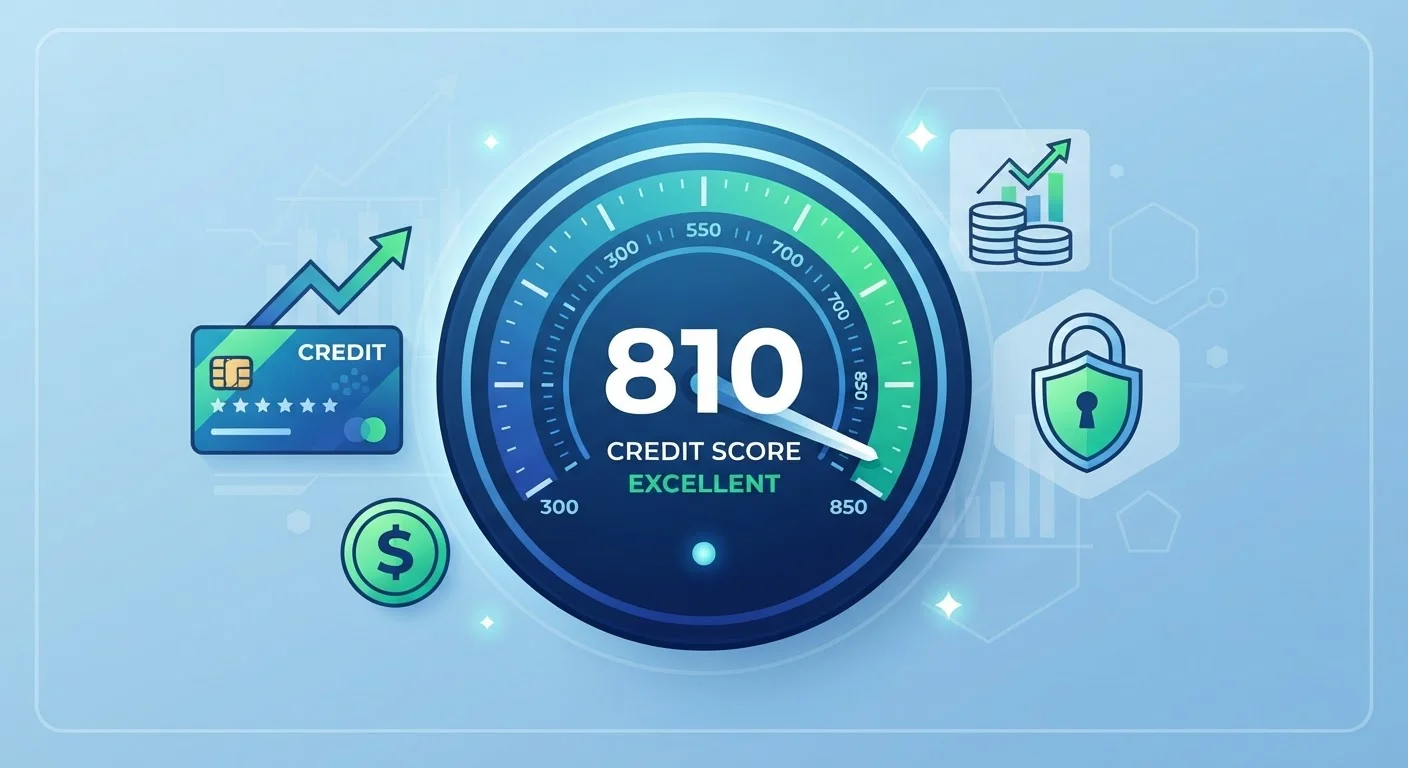
Photo credit: AdvisorHQ.net | Informative Website
In this article
Understand what a credit score is, how it's calculated, and why it matters when you apply for loans, rentals, or credit cards.
Key Takeaways
- Credit scores range from 300 to 850; higher scores signal lower risk to lenders.
- Your score is calculated from data in your credit report, not from your income or bank balance.
- A strong score can mean lower interest rates, saving you significant money over time.
- Scores are not permanent - responsible habits can raise them over months or years.
- You have more than one credit score; different models and bureaus may produce slightly different numbers.
Where Your Credit Score Comes From
Your credit score does not come from your income, savings account, or job title. It is generated entirely from the information in your credit report - a record maintained by the three major US credit bureaus: Equifax, Experian, and TransUnion. That report tracks your history with borrowed money: how much you owe, whether you pay on time, how long you've had accounts, and more.
A scoring model - most commonly the FICO Score - reads that data and produces a single number. Because each bureau may hold slightly different data, your score can differ across bureaus even on the same day. It's worth understanding what feeds the model before trying to improve the result. See our breakdown of the five factors that shape your score for a detailed look at each ingredient and how heavily it's weighted.
716
Average US FICO Score
According to FICO's publicly reported data, the average American FICO Score has hovered around 716 in recent years, placing the typical consumer in the 'good' range.
~1 in 5
Americans with errors on credit reports
The Federal Trade Commission has found that a significant proportion of consumers have at least one error on a credit report that could affect their score.
45 million
Credit-invisible Americans
The Consumer Financial Protection Bureau (CFPB) has estimated that approximately 45 million Americans lack enough credit history to generate a score.
What the Score Range Actually Signals
The standard FICO score runs from 300 to 850. These aren't arbitrary benchmarks - they map to risk tiers that lenders use to make decisions:
- 800-850 (Exceptional): Lenders view these borrowers as very low risk, typically offering the most favorable terms.
- 740-799 (Very Good): Strong credit profile; likely to qualify for competitive rates on most products.
- 670-739 (Good): Near or above the average US score; generally qualifies for standard loan products.
- 580-669 (Fair): Some lenders will approve applications but often at higher interest rates.
- 300-579 (Poor): Approval is difficult; secured credit cards or credit-builder loans are common starting points.
The interest rate difference between a 'fair' and 'exceptional' score can translate into thousands of dollars over the life of a mortgage or auto loan. That makes the number far more than a grade - it's a direct factor in the cost of borrowing.
“Your credit score is one of the most important numbers in your financial life. It can determine whether you get a loan, what interest rate you pay, and even whether you can rent an apartment.”
— Consumer Financial Protection Bureau, US federal agency responsible for consumer financial protection
Why the Same Person Can Have Different Scores
Many people are surprised to discover they don't have just one credit score. The two primary scoring models - FICO and VantageScore - each release multiple versions, and lenders may use different versions depending on the type of credit being applied for (mortgage, auto, credit card). Additionally, since the three bureaus collect data independently, the underlying report data can differ, producing different scores from the same model.
This is normal and not a sign that something is wrong. What matters most is tracking your scores consistently and understanding the general range you fall in. If you've never looked at your credit report, start there - the report is the raw material the score is built from. Our guide on reading your credit report without getting overwhelmed walks through each section in plain language.
There are also several persistent myths around credit scoring that lead people to make counterproductive decisions. Our article on credit myths that cost people real money addresses the most common ones.
How Your Score Affects Real Financial Decisions
Lenders aren't the only ones who check your credit. Landlords routinely run credit checks before approving a lease application. Some employers - particularly in finance or government roles - review credit reports as part of background screening (though they see a report, not typically the score itself). Utility companies may require a deposit if your score falls below their threshold.
A first-time homebuyer with a 760 credit score applies for a 30-year mortgage and is offered a significantly lower interest rate than a co-worker with a 620 score applying for the same loan amount.
A recent graduate with a thin credit file is denied an apartment lease by a landlord who ran a credit check, and is asked to provide a co-signer instead.
Someone applies for a new credit card after years of on-time payments and low balances, and is approved with a generous credit limit and a low APR.
One factor that often moves scores more than people expect is credit utilization - the percentage of your available revolving credit you're currently using. Keeping this ratio low tends to support a higher score. For a closer look at how utilization works, see our article on credit utilization and how it moves your score.
If any of the underlying terminology feels unfamiliar, the credit and debt glossary for first-time borrowers is a useful reference. And if you're comparing loan offers, understanding how APR works alongside your credit score will give you a fuller picture of what you're actually agreeing to.
This article is for general informational purposes only and does not constitute financial advice. Consult a licensed financial professional for guidance specific to your situation.
Frequently Asked Questions

Author
Finance Editorial Team
Finance Editorial Team is the collective byline for our editorial team and contributor network. Articles published under this byline or an editorial pen name are researched, written, and reviewed according to our editorial standards for clarity, consistency, and independence before publication.
View all articles →