
Reading Personal Care Product Labels: A Plain-Language Guide
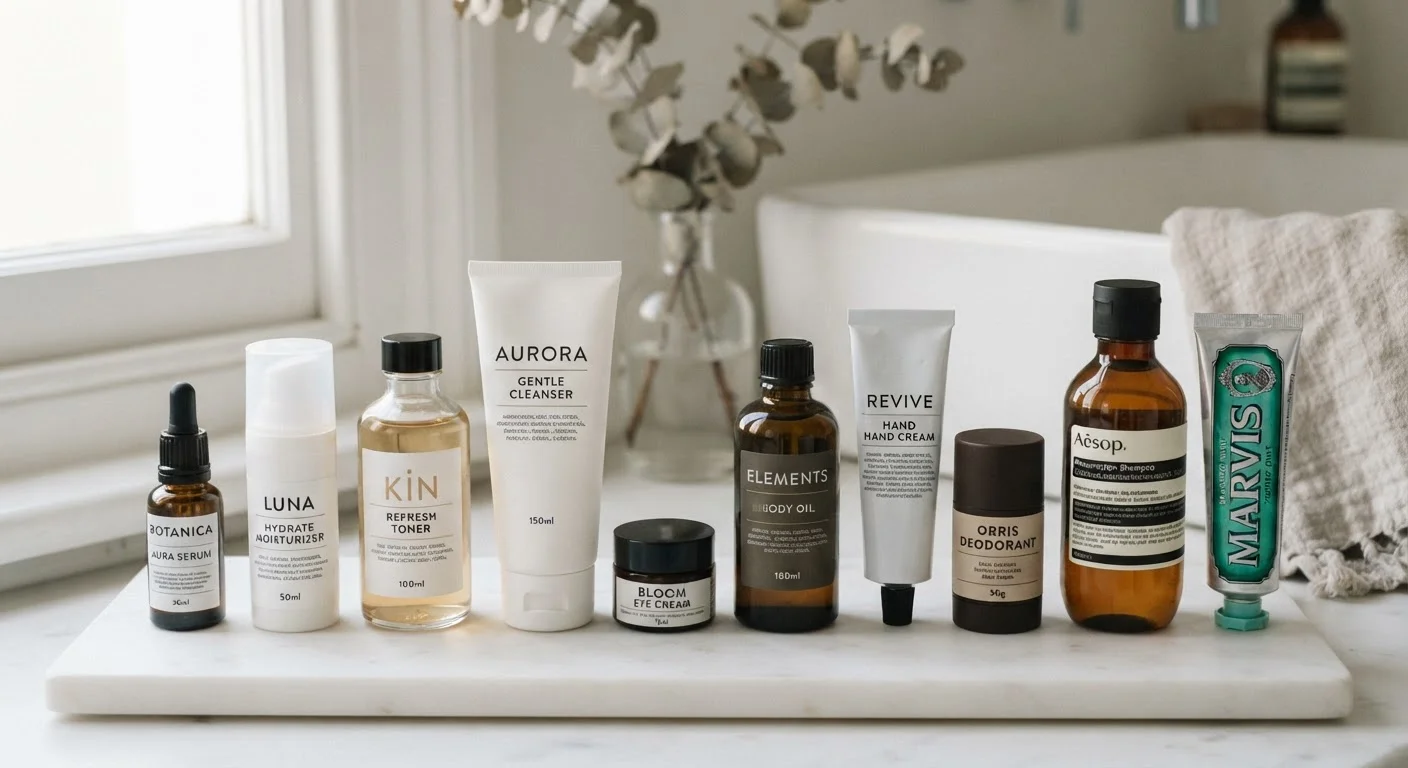
Photo credit: AdvisorHQ.net | Informative Website
In this article
Ingredient lists can be hard to decode. This reference guide explains common terms, label claims, and what they do — or don't — mean.
How Personal Care Labels Are Structured
Every personal care product sold in the United States must follow labeling rules set by the FDA. The required elements include the product identity, net contents, manufacturer information, and - for cosmetics - an ingredient list ordered by concentration from highest to lowest. That ordering matters: ingredients listed first make up the largest portion of the formula, while those near the end are typically present in very small amounts (often under 1%).
Ingredients below 1% concentration may be listed in any order, which means a buzzy active ingredient can appear near the bottom regardless of its effectiveness level. This structure is defined by the International Nomenclature of Cosmetic Ingredients (INCI) system, which uses standardized Latin or scientific names rather than the common names you'd recognize on a grocery shelf. For a deeper look at how INCI names work, see Reading a Skincare Ingredient List Without Getting Lost.
| Label Ingredient Order | Highest to lowest concentration (FDA cosmetic labeling regulations) |
| Threshold for Flexible Ordering | Ingredients at or below 1% concentration (FDA 21 CFR Part 701) |
| "Natural" - Regulatory Definition | None for cosmetics in the U.S. (FDA) |
| Active Ingredients Listed Separately | Required for OTC drug-cosmetics (e.g., sunscreen, dandruff shampoo) (FDA OTC monograph system) |
| Fragrance Disclosure | May appear as a single word "fragrance" covering multiple undisclosed compounds (FDA Fair Packaging and Labeling Act) |
| Expiration Indicators | Period After Opening (PAO) symbol shows months of usability after opening (Industry standard (ISO 11930)) |
What Label Claims Actually Mean
Marketing language on personal care products is often loosely regulated, and certain terms carry no legally binding definition. Understanding which claims are meaningful and which are purely promotional can save you from misleading assumptions.
- "Natural" and "clean": Neither term has an FDA-approved definition for cosmetics. A product marketed as natural may still contain synthetic preservatives or fragrances. For a detailed comparison, see Natural vs. Conventional Personal Care Products.
- "Fragrance-free" vs. "unscented": These are not the same. Fragrance-free means no added scent compounds. Unscented may still contain masking fragrances to cover the odor of other ingredients. If you have sensitivities, fragrance-free is the more meaningful label. Learn more at Fragrance in Personal Care: What You Should Know.
- "Hypoallergenic": No federal standard defines this term. It signals a manufacturer's intent, not a guarantee that the product won't cause a reaction.
- "Dermatologist tested": Indicates testing occurred, but does not specify what was tested, how many people participated, or what outcomes were measured.
- "Clinically proven": Look for disclosed study details. Without that transparency, the claim offers limited reassurance.
OTC Drug-Cosmetics Follow Stricter Rules
Products like sunscreens, anti-dandruff shampoos, and acne washes are classified as over-the-counter (OTC) drugs as well as cosmetics. Their active ingredients must be listed separately at the top of the ingredient panel, along with their concentration percentage. This is a regulatory requirement, not a marketing choice, and makes these labels easier to evaluate at a glance.
Common Ingredients and Their Functions
Ingredient lists can look like a chemistry exam, but most fall into recognizable functional categories. Knowing what each category does helps you evaluate whether a product suits your needs.
Emollient
A substance that softens and smooths the skin by filling gaps between skin cells. Common emollients include oils, butters, and fatty alcohols like cetyl alcohol.
Humectant
An ingredient that draws moisture from the environment or deeper skin layers into the outer skin. Glycerin and hyaluronic acid are widely used humectants.
Surfactant
A cleansing agent that helps water mix with oil and dirt so they can be rinsed away. Found in shampoos, body washes, and facial cleansers.
Preservative
An ingredient added to prevent microbial growth and extend shelf life. Examples include parabens and phenoxyethanol. Without preservatives, water-containing products can harbor bacteria.
pH Adjuster
Ingredients like citric acid or sodium hydroxide that regulate the product's pH level to maintain stability and skin compatibility.
Occlusive
A substance that forms a barrier on the skin's surface to prevent water loss. Petrolatum and dimethicone are common occlusives.
INCI Name
The International Nomenclature of Cosmetic Ingredients standardized name used on labels globally. These are typically Latin botanical names or scientific chemical names.
Active Ingredient
In drug-cosmetic hybrid (cosmeceutical) products like sunscreens and dandruff shampoos, active ingredients are FDA-regulated and must be listed separately with their percentage concentration.
For a comprehensive breakdown of specific active and functional ingredients, visit Key Skincare Ingredients and What They're Actually For, part of the broader Skincare Basics hub.
This article is for informational purposes only and does not constitute medical or dermatological advice. Consult a qualified healthcare professional if you have specific concerns about ingredients, skin conditions, or allergies.

Author
Health & Beauty Editorial Team
Health & Beauty Editorial Team is the collective byline for our editorial team and contributor network. Articles published under this byline or an editorial pen name are researched, written, and reviewed according to our editorial standards for clarity, consistency, and independence before publication.
View all articles →