
Starting a Vegetable Garden From Scratch
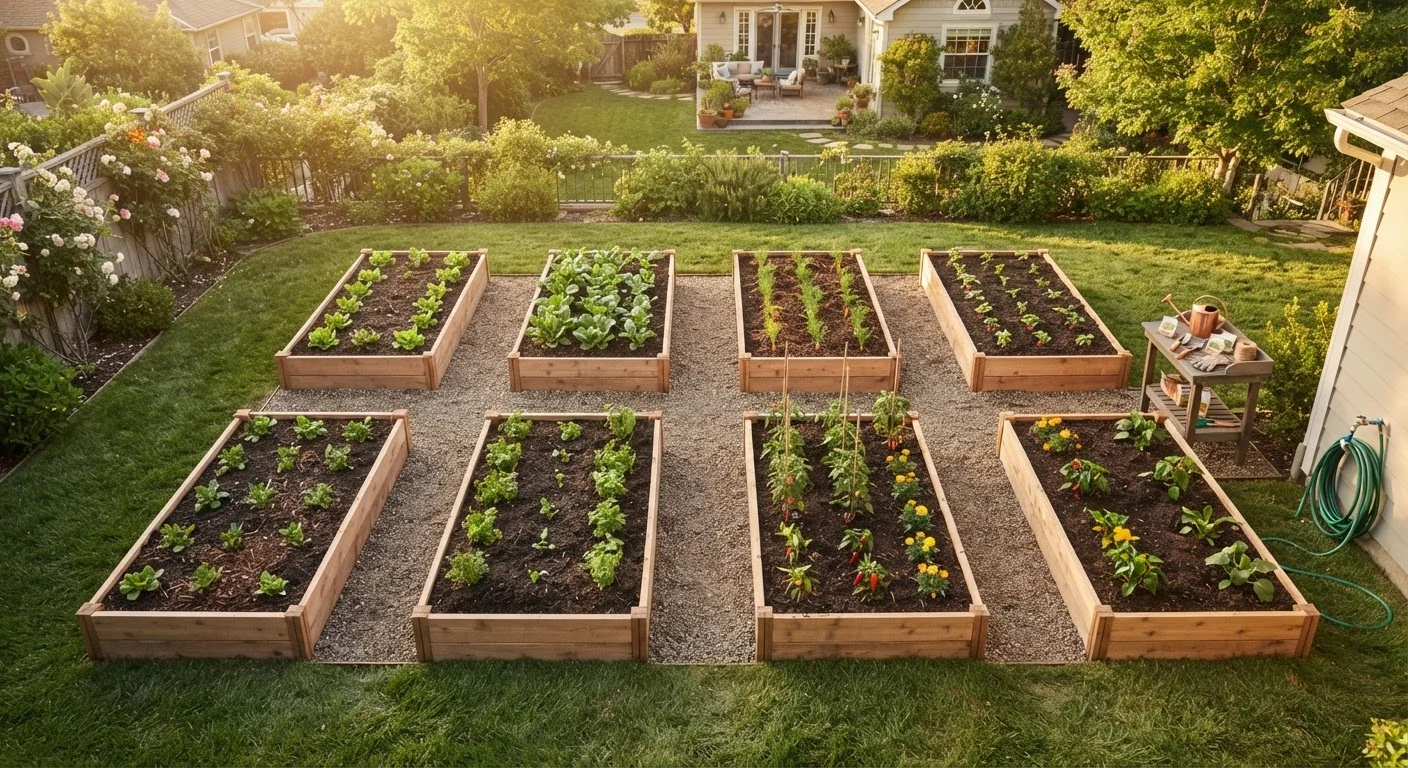
Photo credit: AdvisorHQ.net | Informative Website
In this article
A complete introduction to planning, planting, and tending your first vegetable garden — from choosing a site to harvesting your first crop.
Key Takeaways
- Six or more hours of daily sunlight is the single most important factor in site selection.
- Healthy, well-draining soil is the foundation of a productive vegetable garden.
- Beginners should start small - a 4×8-foot raised bed or a few containers is enough.
- Easy-to-grow crops like lettuce, radishes, and bush beans build confidence quickly.
- Consistent watering and early pest monitoring prevent most first-year failures.
Choosing the Right Spot
The single most important decision you'll make is where to put your garden. Vegetables are sun-hungry plants, and a shady location is the leading cause of disappointing first-year results. Walk your yard at different times of day and identify the area that receives at least six hours of direct sunlight - eight is better for tomatoes, peppers, and squash.
Beyond sunlight, consider proximity to a water source. Dragging hoses across a large yard gets discouraging fast. A spot close to an outdoor spigot removes friction from the daily routine of watering. Also look for level ground with no obvious water pooling after rain, which signals drainage problems that can rot roots.
If open ground is limited, you still have good options. Container and raised-bed gardening lets you grow a meaningful harvest on a patio, balcony, or narrow side yard.
Start Smaller Than You Think You Should
A 4×8-foot raised bed or two to three large containers is genuinely enough for a satisfying first harvest. Many new gardeners plant too much, then feel overwhelmed by the upkeep in midsummer. A small, well-tended garden almost always outperforms a large, neglected one.
Understanding Your Soil
Soil is more than dirt - it's a living system that feeds your plants. Before you spend money on seeds, take time to understand what you're working with. Squeeze a handful of moist soil: if it crumbles easily, you likely have loamy or sandy soil. If it forms a dense, sticky ball, it's clay-heavy. Both extremes can be improved.
The most universally effective fix is organic matter. Working two to four inches of finished compost into your planting area improves drainage in clay soils and water retention in sandy ones. Making your own compost is one of the most cost-effective ways to feed a garden year after year - see our guide on composting kitchen and yard waste for a practical walkthrough.
A basic soil pH test - available at most garden centers - tells you whether your soil is too acidic or too alkaline. Most vegetables prefer a pH between 6.0 and 7.0. Ground limestone raises pH; sulfur lowers it.
Loamy soil
A balanced mix of sand, silt, and clay that drains well while retaining enough moisture and nutrients for plant roots. It's considered the ideal texture for vegetable growing.
pH
A scale from 0 to 14 that measures how acidic or alkaline your soil is. Most vegetables grow best in slightly acidic to neutral soil, roughly between 6.0 and 7.0.
Organic matter
Decomposed plant or animal material - like compost or aged manure - that improves soil structure, feeds beneficial microbes, and slowly releases nutrients to plants.
Transplant shock
Temporary stress a seedling experiences when moved from one growing environment to another. Proper timing, gentle handling, and immediate watering help minimize it.
Cool-season crops
Vegetables that grow best in cooler temperatures - typically in spring or fall - and may bolt (go to seed prematurely) in summer heat. Examples include lettuce, peas, and spinach.
Mulch
A layer of material spread on the soil surface around plants. It reduces moisture loss, moderates soil temperature, and suppresses weed growth.
Planning What to Grow
Resist the temptation to plant everything that looks appealing in a seed catalog. A focused first garden - perhaps six to eight varieties - is far easier to manage and far more rewarding than an overstuffed plot you can't keep up with.
Start with crops that are known to be forgiving: radishes (ready in as few as 25 days), bush beans, lettuce, zucchini, and cherry tomatoes are all widely considered beginner-friendly. Match your choices to your climate - warm-season crops like tomatoes and peppers need consistently warm soil, while cool-season crops like spinach and peas prefer early spring or fall temperatures.
Sketch a simple layout on paper before you plant. Taller plants like tomatoes and pole beans should go on the north side of the bed so they don't shade shorter neighbors. Group crops with similar water needs together to make irrigation more efficient.
Planting and Early Care
Some vegetables grow best started directly from seed in the ground - beans, carrots, beets, and radishes generally dislike transplanting. Others, like tomatoes and peppers, are typically started indoors weeks before the last frost or purchased as young transplants from a nursery.
When transplanting seedlings, plant on a cloudy day or in the evening to reduce transplant shock. Water immediately after planting and keep the soil consistently moist for the first week. Most seed packets and transplant tags provide spacing guidelines - follow them. Crowded plants compete for nutrients and airflow, which invites disease.
Mulching around your plants with two to three inches of straw, shredded leaves, or wood chips conserves moisture, suppresses weeds, and moderates soil temperature - three problems solved at once. This is one of the highest-impact steps a new gardener can take.
Ongoing Maintenance and Harvesting
A vegetable garden rewards consistent, brief attention over heroic weekend sessions. Aim to spend ten to fifteen minutes in the garden every few days. During those visits, check soil moisture, look under leaves for pests, remove weeds before they set seed, and note how plants are progressing.
Managing pests early is much easier than managing an infestation. Many problems can be addressed without chemical sprays - physical barriers, hand-picking, and companion planting are effective starting points. Our guide on lower-risk pest management approaches covers practical strategies in detail.
Harvest crops promptly when they're ready. Leaving zucchini or cucumbers on the vine too long signals the plant to slow production. For most crops, frequent picking encourages more fruit. Taste-test as you go - there's no better feedback for a new gardener than the flavor of something you grew yourself.
Don't Ignore Wilting or Yellowing Leaves
These are early warning signs that something is off - it could be overwatering, underwatering, nutrient deficiency, or disease. Investigate promptly rather than waiting to see if the plant recovers on its own. Catching problems early usually means a simple fix; catching them late often means losing the plant.
Frequently Asked Questions

Author
Home & Garden Editorial Team
Home & Garden Editorial Team is the collective byline for our editorial team and contributor network. Articles published under this byline or an editorial pen name are researched, written, and reviewed according to our editorial standards for clarity, consistency, and independence before publication.
View all articles →