
The Documents You Should Never Pack in Your Checked Bag
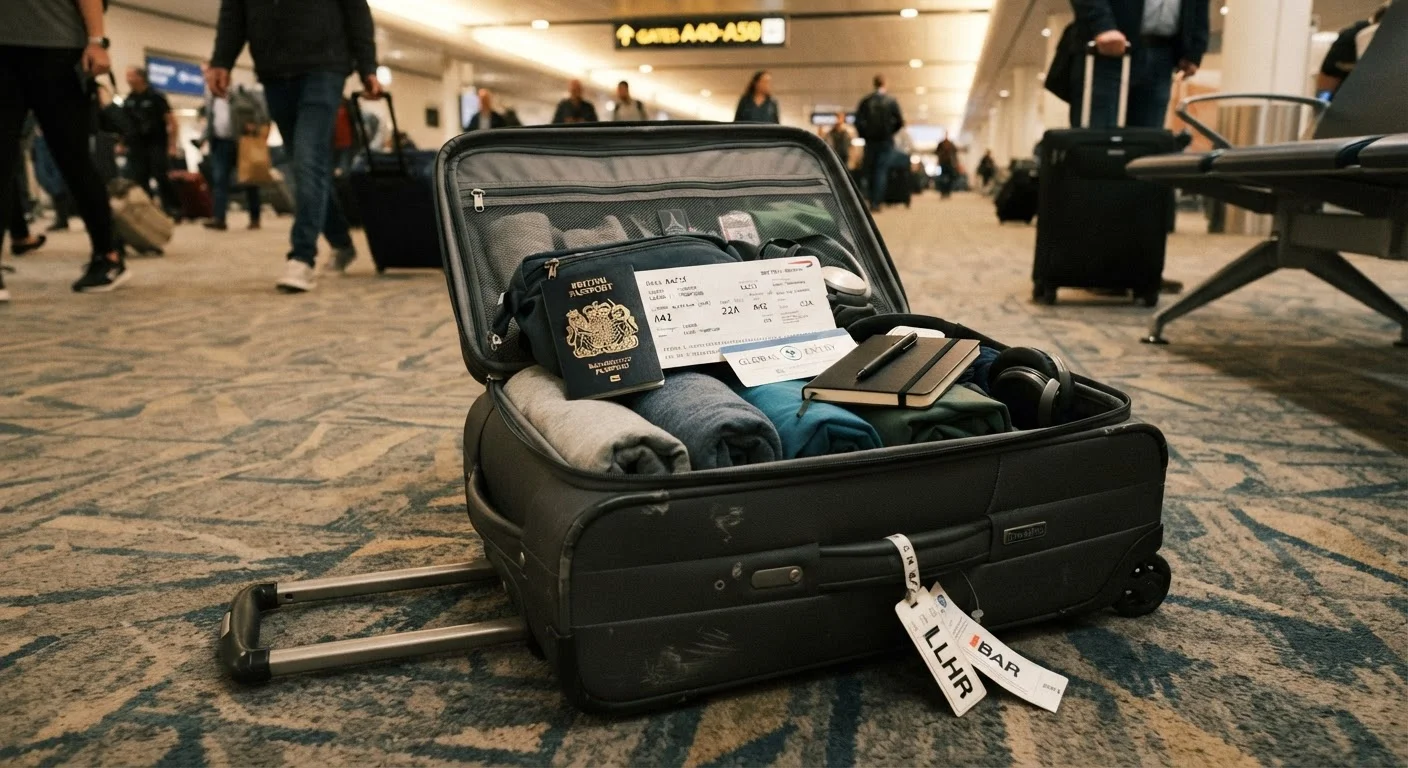
Photo credit: AdvisorHQ.net | Informative Website
In this article
Lost luggage is rare but happens. Knowing which documents and items belong only in your carry-on can prevent a trip-ending situation.
Why Checked Bags and Critical Documents Don't Mix
Airlines mishandle roughly 2-7 bags per thousand passengers on any given year, according to industry tracking data. That may sound like long odds - until it's your bag sitting in the wrong city while you're standing at a border crossing without a passport. Lost or delayed checked luggage is an inconvenience when it contains clothes. When it contains your travel documents, it can end a trip entirely.
The rule is simple: if losing a document would strand you, cost you a significant amount to replace, or expose you to identity theft, it belongs in your carry-on. See our full breakdown of carry-on vs. checked bag trade-offs for a broader look at how to divide your gear between bags.
The Documents That Must Stay With You
This is your non-negotiable carry-on list - the paperwork that cannot be safely separated from your body during travel.
- Passport: Irreplaceable in the moment. Replacing one abroad typically requires visiting a U.S. embassy or consulate, presenting supporting documentation, paying a fee, and waiting - sometimes days. Never check it.
- Visa documents and entry permits: Some countries issue paper visas or require printed approval letters. Without these at the border, entry may be refused. Keep physical copies on your person.
- Driver's license and government-issued ID: Required for car rentals, hotel check-ins that require ID verification, and as a domestic travel backup if your passport is temporarily in use elsewhere.
- Travel insurance policy documents: If a medical emergency or trip disruption strikes at your destination, you need policy numbers and emergency contact lines immediately - not 48 hours later when your bag arrives.
- Boarding passes and e-ticket confirmations: Print a backup or save to your phone's offline storage. Airport Wi-Fi can be unreliable when you most need to pull up a confirmation.
- Prescription medication documentation: If you carry controlled substances or injectable medications, carry the original prescription or a doctor's letter. This is both a legal protection and a practical one at customs.
- Credit and debit cards: These technically aren't documents, but they function like them. Keep at least one card on your person at all times - not just in a bag that could disappear.
For a complete overview of all the paperwork worth tracking before and during a trip, the Documents, Details, and Deadlines reference guide is a solid companion resource.
Smart Backup Habits That Reduce Risk
Even keeping documents in your carry-on isn't foolproof - bags get left in overhead bins, backpacks get lost at restaurants, and sometimes carry-ons themselves are gate-checked by airline staff when overhead space runs out. Layering your precautions is the smartest move.
- Photograph every document: Take clear photos of your passport data page, visa, and insurance card. Store copies in a secure cloud app (not just in your camera roll) so they're accessible from any device.
- Leave a copy at home: Give a trusted contact a copy of your passport and itinerary before departing. If you need to contact your embassy, they'll often ask for this information.
- Use a document organizer: A slim travel wallet or document pouch keeps everything in one place and discourages you from accidentally distributing documents across multiple bags.
- Know the emergency contacts before you need them: Write down your travel insurance emergency line, your bank's international number, and the nearest U.S. embassy or consulate for each country you're visiting.
For broader guidance on backing up important files before a trip, the Personal Files Backup Checklist covers digital document protection in practical terms. And if you're working on trimming your overall packing strategy, Packing Light Without Leaving Something Important Behind offers experienced-traveler perspective on carrying less without compromising what counts.

Author
Travel & Trips Editorial Team
Travel & Trips Editorial Team is the collective byline for our editorial team and contributor network. Articles published under this byline or an editorial pen name are researched, written, and reviewed according to our editorial standards for clarity, consistency, and independence before publication.
View all articles →