
Carry-On vs. Checked Bag: Deciding What Works for Your Trip
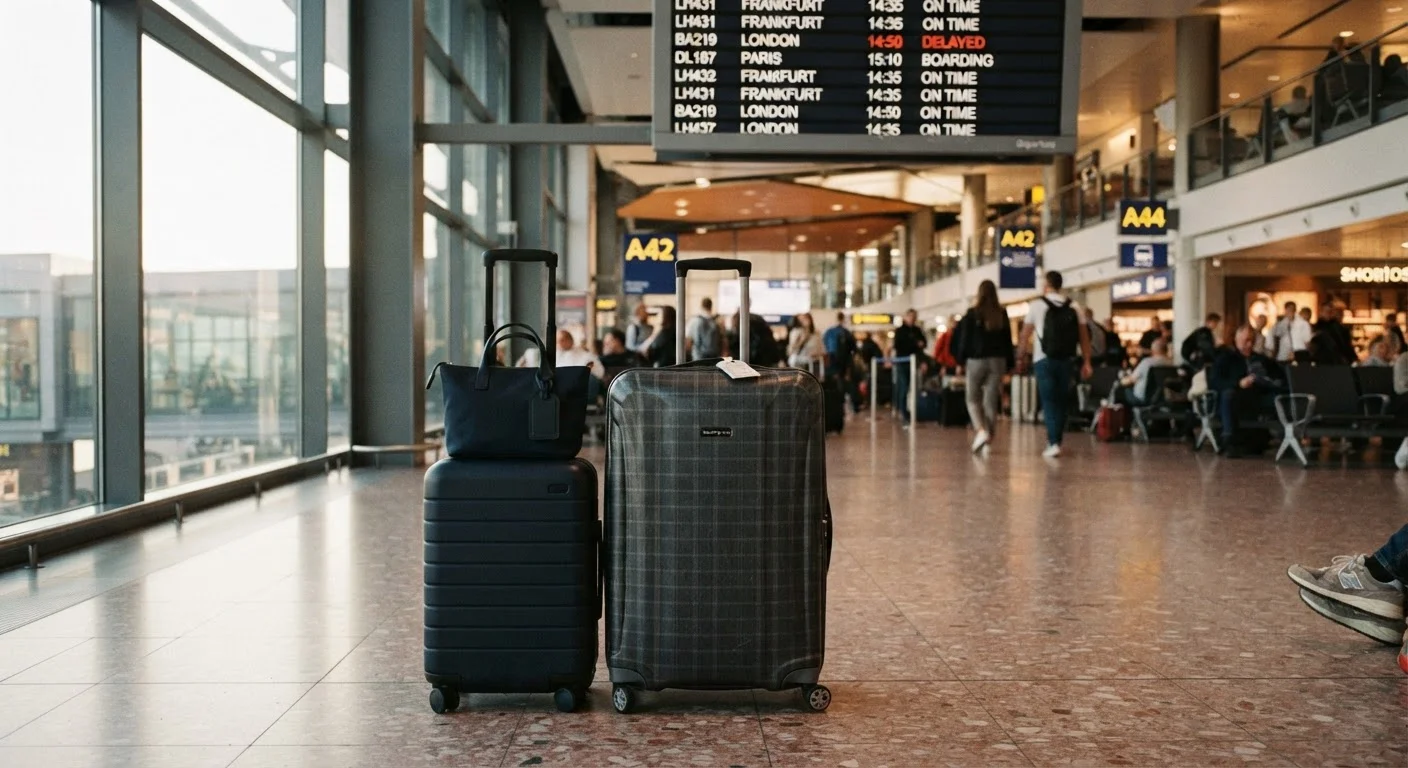
Photo credit: AdvisorHQ.net | Informative Website
In this article
A side-by-side look at traveling with only a carry-on versus checking luggage—covering cost, convenience, and trip length considerations.
Key Takeaways
- Carry-ons eliminate checked bag fees and speed up airport transit significantly.
- Checked bags offer more packing space and freedom from TSA liquid restrictions.
- Trip length is the single most reliable guide to which option makes sense.
- Lost or delayed luggage is rare but almost exclusively a checked-bag risk.
- Some airlines and fare classes restrict carry-on size or charge for overhead bin access.
The Core Trade-Off: Speed vs. Space
Every packing decision comes down to a fundamental tension: how much do you value moving quickly through the airport versus how much you actually need to bring? Carry-ons keep you nimble - no waiting at check-in counters, no standing at baggage claim, no risk of your bag going to a different city. Checked bags, on the other hand, unlock space. You can pack for two weeks, bring a full toiletry kit without worrying about the TSA 3-1-1 liquid rule, and even pack your shoes without rearranging everything else.
Neither option is universally superior. The right call depends almost entirely on your trip's length, purpose, and personal tolerance for hassle. Understand both sides clearly, and you'll pack better every time.
| Criterion | Carry-On Bag | Checked Bag |
|---|---|---|
| Typical Fee | Usually free (verify by airline) | $30-$35+ per bag, per leg |
| Packing Space | Limited (~40L) | Generous (50-100L+) |
| Liquid Restrictions | TSA 3-1-1 rule applies | No liquid size limits |
| Baggage Claim Wait | None | 15-45 minutes typical |
| Lost/Delayed Risk | Very low | Small but real |
| Best Trip Length | 1-5 days | 6+ days |
| Bulky or Specialty Gear | Difficult to fit | Easily accommodated |
Cost Considerations: Fees, Fares, and Hidden Surprises
Checked bag fees are one of the most tangible costs in air travel planning. On many U.S. carriers, checking a bag runs roughly $30-$35 for the first bag on a domestic round trip - and that doubles if you're paying for a return flight too. On a family vacation with multiple checked bags, those fees stack up fast.
Carry-ons are typically included in standard fares, though this is changing. Several budget carriers now charge for overhead bin access on basic economy fares, so it's worth reading the fine print before assuming your carry-on flies free. Always verify your airline's specific bag policy before booking.
$35
Typical first checked bag fee (one-way)
Most major U.S. carriers charge between $30 and $40 for the first checked bag on domestic flights, as of recent published fee schedules.
~2%
Rate of mishandled bags per 100 passengers
U.S. Department of Transportation Air Travel Consumer Reports track mishandled bag rates, which vary by carrier and season.
There's also the less obvious cost of time. Carry-on travelers routinely clear airports 20-30 minutes faster than those waiting at baggage claim. For a quick business trip or a tight layover, that's real value.
Packing Realities: What Actually Fits and What Doesn't
A standard carry-on - typically around 22" x 14" x 9" - can hold more than most travelers expect when packed strategically. Rolling clothes, using packing cubes, and wearing your bulkiest items on the plane can stretch a carry-on surprisingly far. For a 3-5 day trip in a single climate, it's entirely doable.
But there are genuine limits. If your trip includes formal events, multiple climate zones, or activities like skiing or hiking, a carry-on will force hard choices. Liquids over 3.4 oz must be checked or left behind - a real constraint for anyone with a robust skincare routine or specific toiletry needs. For those travelers, a checked bag isn't a concession; it's the smarter plan.
See our guide to packing for any climate for strategies that work whether you go carry-on or checked. And if you're leaning toward traveling light, packing light without leaving essentials behind covers the methods experienced travelers swear by.
Basic Economy Fares and Carry-On Access
Several U.S. budget and major carriers have introduced fees for overhead bin access on their lowest fare tiers. Before assuming your carry-on flies free, check your specific fare class and airline policy at the time of booking. A personal item (like a small backpack) typically remains free across most carriers, even on basic economy fares.
Risk and Reliability: What Can Go Wrong
Lost and delayed luggage is one of travel's more frustrating realities - and it's almost exclusively a checked-bag problem. The U.S. Department of Transportation tracks mishandled bag reports, and while rates have improved over time, bags still get delayed, misrouted, or lost every day. Carry-on travelers sidestep this risk entirely.
That said, carry-ons come with their own friction. Overhead bin space fills up on full flights, and gate agents sometimes ask late-boarding passengers to check their bags at the gate - usually for free, but not always on your schedule. On connecting flights, this can create anxiety if you're tight on time.
Regardless of which option you choose, always keep your passport, medications, valuables, and critical documents in your personal item or carry-on. Read more about which documents should never go in your checked bag - it's one of the most important trip-planning habits you can build.
Trip type and length matter here too. If you're weighing a weekend getaway against a longer escape, our look at the weekend trip vs. extended vacation trade-off can help you frame the whole decision.

Author
Travel & Trips Editorial Team
Travel & Trips Editorial Team is the collective byline for our editorial team and contributor network. Articles published under this byline or an editorial pen name are researched, written, and reviewed according to our editorial standards for clarity, consistency, and independence before publication.
View all articles →