
Oil Change Intervals: What the Numbers in Your Owner's Manual Really Mean
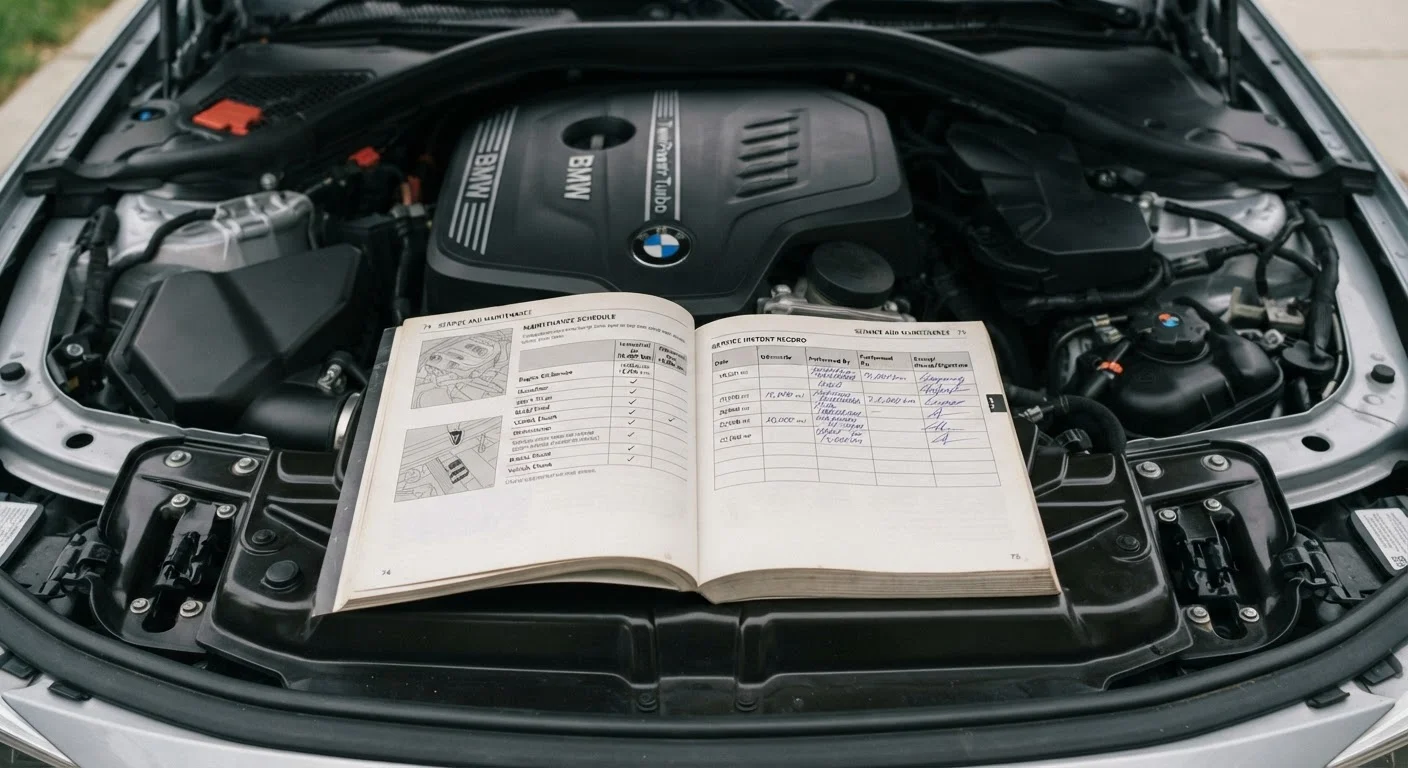
Photo credit: AdvisorHQ.net | Informative Website
In this article
3,000 miles or 7,500? Synthetic or conventional? Learn what drives oil change recommendations and why they vary by vehicle.
Key Takeaways
- The 3,000-mile oil change rule is largely outdated for most vehicles built in the last two decades.
- Your owner's manual contains the only interval recommendation specifically calibrated for your engine.
- Synthetic oil generally supports longer intervals than conventional oil - often 7,500 to 10,000 miles or more.
- Severe driving conditions - such as frequent short trips or towing - can shorten the appropriate interval.
- Oil life monitoring systems use real driving data, not mileage alone, to calculate when a change is needed.
- Skipping or delaying oil changes risks accelerated engine wear and potentially costly repairs.
Where the 3,000-Mile Myth Came From
For decades, the phrase "change your oil every 3,000 miles" was repeated so often it became automotive gospel. It originated during an era when engine tolerances were looser, refining technology was less advanced, and conventional oil degraded relatively quickly under normal use. Quick-lube chains helped cement the rule into public consciousness because it brought customers back frequently.
Today's engines are engineered to tighter specifications, and oil formulations - particularly full synthetic options - are far more durable. Automakers began extending their recommended intervals accordingly. Many current vehicles specify 7,500-mile or 10,000-mile intervals, and some go as high as 15,000 miles under ideal conditions. Sticking to 3,000 miles on a modern engine that calls for 10,000 isn't harmful, but it wastes money and generates unnecessary used oil. See why this and other ingrained habits don't match the evidence for a broader look at persistent automotive misconceptions.
How Automakers Calculate Your Recommended Interval
The interval printed in your owner's manual isn't arbitrary. Engineers arrive at it through testing that accounts for your engine's internal clearances, its operating temperatures, the viscosity grade required, and the oil type - conventional or synthetic - it's designed to use. The result is a number calibrated specifically for that powertrain.
Two factors most significantly shape the recommendation:
- Oil type: Conventional oil breaks down faster under heat and mechanical stress. Synthetic oil maintains its viscosity and protective film longer, enabling extended intervals. For a detailed comparison, see how synthetic and conventional motor oils differ in performance and longevity.
- Driving pattern: Manufacturers distinguish between "normal" and "severe" service schedules. Short-trip driving, towing, extreme heat or cold, and prolonged idling all degrade oil faster than steady highway driving.
This is why two people driving the same vehicle model can legitimately have different appropriate intervals based on how and where they drive.
7,500-10,000 mi
Typical synthetic oil change interval for modern vehicles
Many automakers specify this range for vehicles using full synthetic oil under normal driving conditions, according to published manufacturer maintenance schedules.
3,000 mi
Traditional rule now considered outdated by most engineers
Industry organizations including the American Automobile Association have noted that the 3,000-mile interval is unnecessarily frequent for most vehicles built after 2000.
15-20%
Oil life monitor threshold for a service reminder
Most oil life monitoring systems trigger a maintenance alert when the calculated oil life remaining reaches this range, prompting drivers to schedule a change.
Understanding Oil Life Monitoring Systems
Many vehicles produced since the mid-2000s include an oil life monitoring system (OLMS) - a dashboard display showing a percentage that counts down as driving conditions accumulate. When the percentage drops to roughly 15-20%, a maintenance reminder appears.
It's important to understand what these systems actually measure. They do not chemically test the oil. Instead, they run algorithms that track engine speed, temperature cycles, cold starts, and load over time. Based on that data, the system estimates how much protective capacity the oil has remaining. This approach is generally more accurate than a fixed mileage rule, because it accounts for how your car is actually being driven.
Your OLMS Percentage Is an Estimate, Not a Lab Test
Oil life monitoring systems rely on mathematical models, not sensors that physically analyze the oil. While they are generally reliable guides, drivers who notice unusual engine noise, a burning oil smell, or oil that appears very dark on the dipstick should consider having the oil inspected regardless of the displayed percentage. When in doubt, a qualified mechanic can assess oil condition directly.
If your vehicle has an OLMS, follow it rather than guessing at mileage. If it doesn't, your owner's manual's maintenance schedule - outlined in full in Your Car's Maintenance Schedule, Explained - is your best reference.
What Happens When You Wait Too Long
Engine oil serves multiple functions simultaneously: it lubricates moving metal parts, carries heat away from critical components, suspends combustion byproducts, and contains additives that neutralize acids. Over time and miles, these additives deplete, the oil oxidizes, and suspended contaminants accumulate. What began as a clear amber fluid becomes dark and less effective.
Severely degraded oil can lead to increased friction between components, sludge buildup in oil passages, and accelerated wear on bearings and camshafts - repairs that can run into thousands of dollars. The good news is that consistent adherence to your recommended interval is one of the most straightforward ways to protect engine longevity. Routine maintenance habits like this one protect both your car and your wallet over the long run.
If you're considering handling oil changes yourself, know which maintenance tasks are genuinely manageable at home and where to draw the line.
A driver commutes five miles each way to work in a cold climate, rarely reaching full engine operating temperature before parking.
A highway sales rep puts 20,000 miles a year on a newer vehicle using full synthetic oil, mostly on long interstate runs.
A pickup truck owner frequently tows a boat on weekends in summer heat.
Frequently Asked Questions

Author
Cars & Driving Editorial Team
Cars & Driving Editorial Team is the collective byline for our editorial team and contributor network. Articles published under this byline or an editorial pen name are researched, written, and reviewed according to our editorial standards for clarity, consistency, and independence before publication.
View all articles →