
Debt Consolidation: What It Solves and What It Doesn't
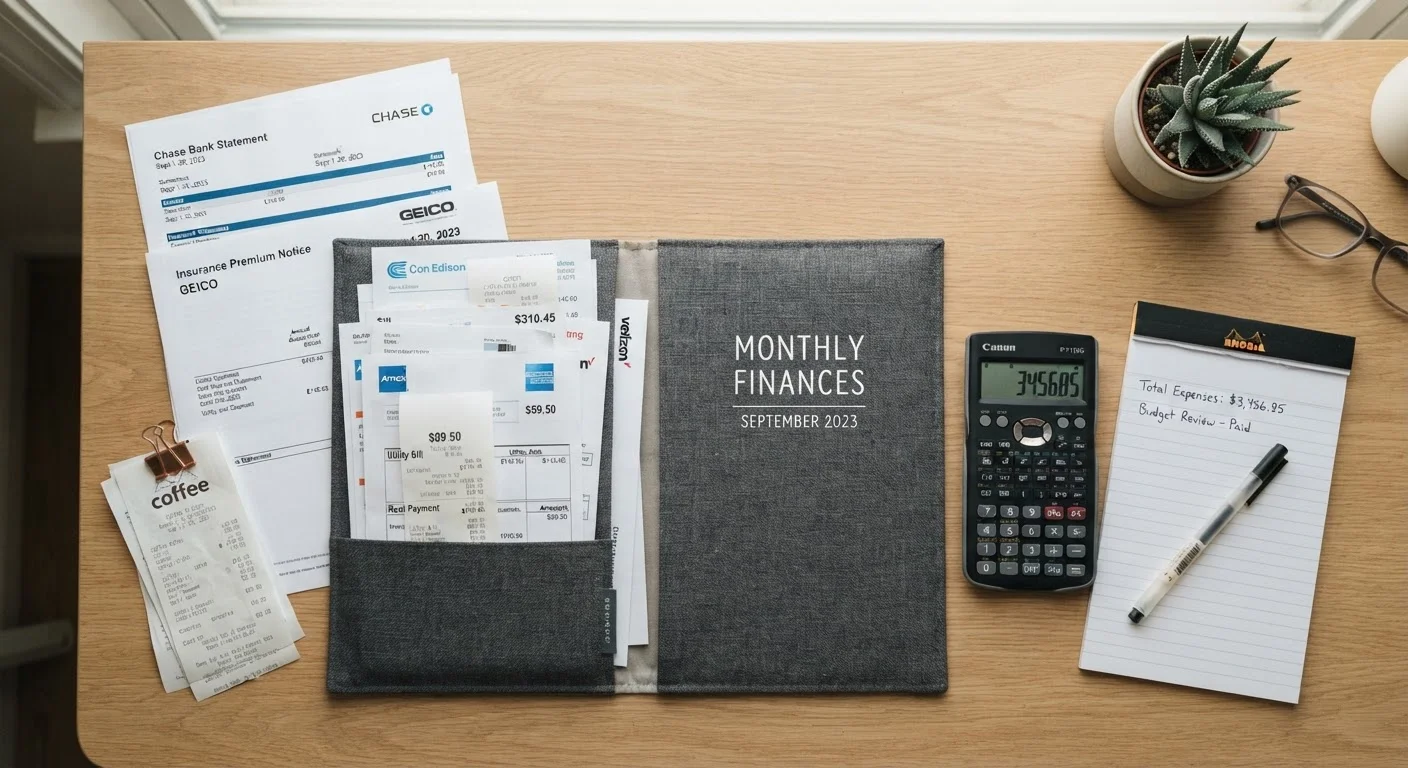
Photo credit: AdvisorHQ.net | Informative Website
In this article
Rolling multiple debts into one can simplify payments, but it isn't a fix for every situation. Here's an honest breakdown.
Key Takeaways
- Debt consolidation combines multiple debts into a single loan or payment, often with one interest rate.
- It can lower monthly payments and reduce the total interest paid - but only under the right conditions.
- Consolidation does not erase debt; total balance owed remains the same or may increase with fees.
- Spending habits that created the debt must change, or consolidation may make things worse.
- Consulting a nonprofit credit counselor before consolidating can help clarify whether it fits your situation.
Simplifies repayment to a single monthly payment
Managing one due date instead of several reduces administrative complexity and lowers the chance of accidentally missing a payment.
Can lower the effective interest rate
Borrowers with good credit may qualify for a consolidation loan rate well below what credit cards charge, reducing total interest paid over the life of the debt.
May reduce monthly payment amount
Spreading the balance over a longer term can free up monthly cash flow, though this typically means paying more interest overall unless the rate drops significantly.
Can protect and stabilise credit score
Consistent, on-time payments on a single account are easier to maintain and help build a positive payment history, which is the largest factor in most credit scoring models.
Does not reduce the amount you owe
Consolidation restructures existing debt but doesn't forgive any of it. Fees and a longer repayment term can actually increase the total amount paid over time.
Requires qualifying credit and income
The most favourable consolidation loans are reserved for borrowers with solid credit scores. Those with poor credit may only qualify for rates that don't improve their situation.
Frees up old credit lines, risking new debt
After rolling balances into a consolidation loan, the original credit card accounts remain open. Without changed spending habits, borrowers often re-accumulate balances on those cards.
Origination fees and transfer costs add up
Personal loans often carry origination fees of 1-8% of the loan amount, and balance transfer cards typically charge 3-5% of the transferred balance - costs that must be factored into any comparison.
Extends the debt repayment timeline
Lower monthly payments are often achieved by spreading debt over more years, which means remaining in debt longer and, in many cases, paying more interest in total.
What Debt Consolidation Actually Means
Debt consolidation refers to combining two or more existing debts - typically credit card balances, medical bills, or personal loans - into a single new loan or repayment plan. The goal is usually to secure a lower interest rate, reduce the number of payments you're managing each month, or both.
The most common methods include personal consolidation loans from banks or credit unions, balance transfer credit cards (which often carry a promotional low or 0% APR for a limited period), and debt management plans administered by nonprofit credit counseling agencies. Each approach works differently and carries different costs and eligibility requirements.
What consolidation does not do is reduce the principal - the actual amount you owe. You are restructuring debt, not eliminating it. Understanding that distinction upfront is essential before deciding whether this path makes sense for your situation. For a broader look at how different kinds of debt behave, see our breakdown of good debt vs. bad debt.
The Real Advantages
When the conditions are right, consolidation offers concrete financial benefits that go beyond simple convenience.
Simplifies repayment to a single monthly payment
Managing one due date instead of several reduces administrative complexity and lowers the chance of accidentally missing a payment.
Can lower the effective interest rate
Borrowers with good credit may qualify for a consolidation loan rate well below what credit cards charge, reducing total interest paid over the life of the debt.
May reduce monthly payment amount
Spreading the balance over a longer term can free up monthly cash flow, though this typically means paying more interest overall unless the rate drops significantly.
Can protect and stabilise credit score
Consistent, on-time payments on a single account are easier to maintain and help build a positive payment history, which is the largest factor in most credit scoring models.
Simplifying multiple due dates into one also reduces the risk of missed payments, which can damage your credit score. And if you qualify for a significantly lower interest rate, more of each monthly payment goes toward reducing the principal rather than servicing interest - which can shorten the time it takes to become debt-free.
The Honest Limitations
Consolidation is frequently misunderstood as a fix. For many borrowers, it creates a false sense of progress without addressing the underlying problem.
Does not reduce the amount you owe
Consolidation restructures existing debt but doesn't forgive any of it. Fees and a longer repayment term can actually increase the total amount paid over time.
Requires qualifying credit and income
The most favourable consolidation loans are reserved for borrowers with solid credit scores. Those with poor credit may only qualify for rates that don't improve their situation.
Frees up old credit lines, risking new debt
After rolling balances into a consolidation loan, the original credit card accounts remain open. Without changed spending habits, borrowers often re-accumulate balances on those cards.
Origination fees and transfer costs add up
Personal loans often carry origination fees of 1-8% of the loan amount, and balance transfer cards typically charge 3-5% of the transferred balance - costs that must be factored into any comparison.
Extends the debt repayment timeline
Lower monthly payments are often achieved by spreading debt over more years, which means remaining in debt longer and, in many cases, paying more interest in total.
It's also worth noting that consolidation is not the only repayment strategy available. The avalanche and snowball methods can be equally effective for motivated borrowers and involve no new loan applications or credit checks.
Who Is Most - and Least - Likely to Benefit
Consolidation tends to work best for borrowers who have multiple high-interest balances, a credit profile strong enough to qualify for a lower rate, and reliable monthly income to sustain the new payment. If you can secure a rate meaningfully below what you're currently paying, the math often works in your favour.
It tends to work poorly for borrowers who have already consolidated once and re-accumulated debt, those with variable or unreliable income, and anyone whose spending habits haven't changed. In those cases, consolidation can extend the debt repayment period and increase the total cost over time.
Nonprofit Credit Counseling Is a Low-Cost Starting Point
Nonprofit credit counseling agencies - many affiliated with the National Foundation for Credit Counseling (NFCC) - offer free or low-cost debt reviews and can help you evaluate whether consolidation, a debt management plan, or another approach fits your situation. They are not compensated to recommend specific products, which makes their guidance more independent than many commercial alternatives. Look for agencies that are accredited and transparent about any fees they do charge.
Long-term debt management depends on consistent behaviour more than any single financial move. Building habits that keep debt manageable is the complement to any consolidation strategy, not an afterthought.
Steps Worth Taking Before You Consolidate
Before applying for a consolidation loan or balance transfer, take stock of your full debt picture: total balances, current interest rates, minimum payments, and how long payoff would take under each scenario. Free online debt calculators can help compare paths.
Check your credit report for accuracy - errors can affect the rate you're offered. Then compare the total cost of consolidation (including origination fees and the full repayment term) against continuing to pay down existing balances directly. Sometimes the numbers favour consolidation clearly; sometimes they don't.
A nonprofit credit counseling agency can walk through your options at little or no cost and is not incentivised to steer you toward a particular product. That makes them a valuable starting point, especially if you're navigating debt for the first time. Be aware of common credit myths that might distort your expectations about how consolidation affects your score or overall financial standing.
Finally, be honest about what created the debt in the first place. Many borrowers end up deeper in debt despite making payments - consolidation can reset the terms, but only sustained behaviour change prevents the cycle from repeating.
This article is for general informational purposes only and does not constitute personalised financial, legal, or tax advice. Consult a qualified financial professional before making decisions about your debt.

Author
Finance Editorial Team
Finance Editorial Team is the collective byline for our editorial team and contributor network. Articles published under this byline or an editorial pen name are researched, written, and reviewed according to our editorial standards for clarity, consistency, and independence before publication.
View all articles →