
Vertical Storage vs. Horizontal Storage: Which Approach Works Better in Small Spaces?
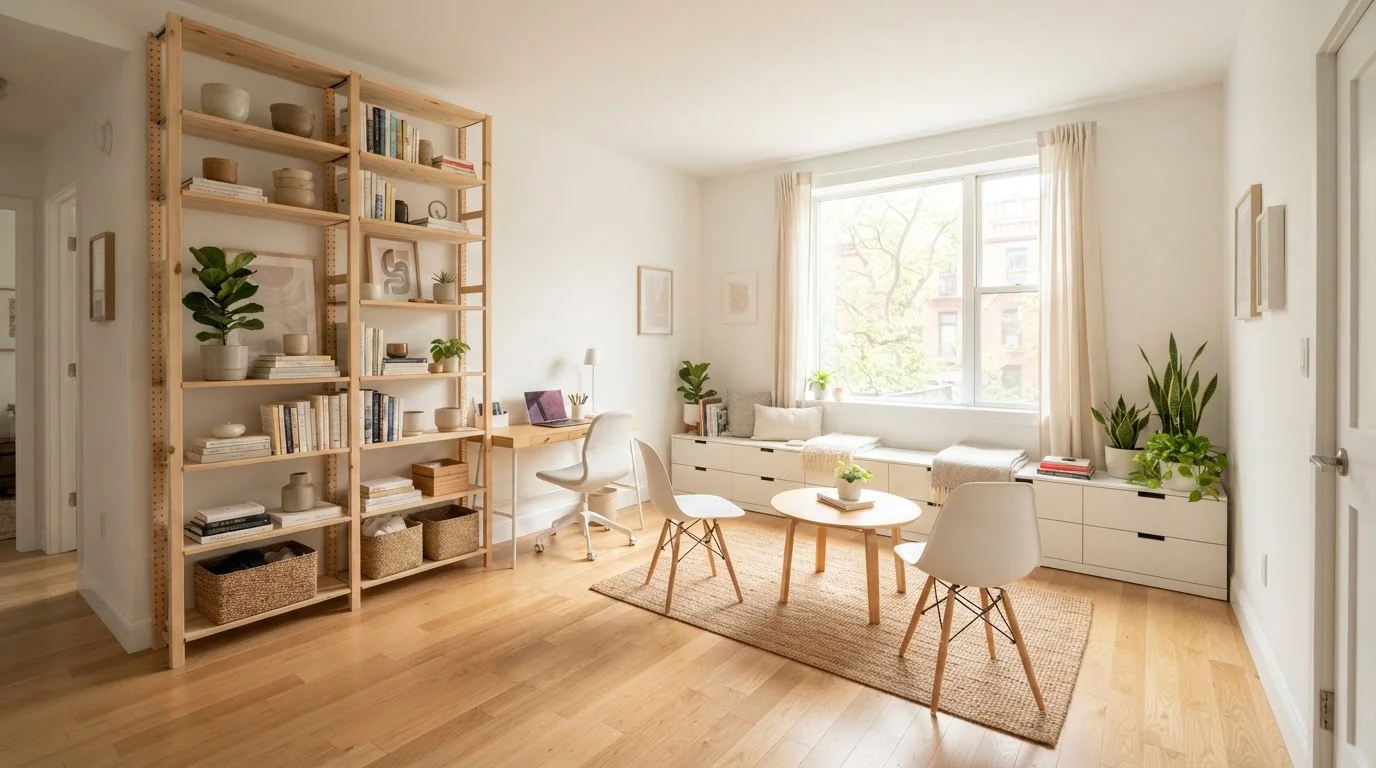
Photo credit: AdvisorHQ.net | Informative Website
In this article
Vertical and horizontal storage each suit different room layouts and habits. Here's how to decide which direction to build your organization strategy.
Key Takeaways
- Vertical storage reclaims wall height, freeing up valuable floor space in tight rooms.
- Horizontal storage keeps items more accessible but consumes more square footage.
- Room shape, ceiling height, and daily habits should guide which approach you choose.
- Most small spaces benefit from a deliberate combination of both directions.
- Safety anchoring is essential for tall furniture, especially in homes with children.
What Each Approach Actually Means
When organizers talk about vertical versus horizontal storage, they're describing the primary direction in which your storage system grows. Vertical storage climbs the wall - think floor-to-ceiling shelving, stacked cubbies, wall-mounted pegboards, or hanging organizers. Horizontal storage spreads across the floor plane - low dressers, storage ottomans, under-bed bins, and wide credenzas.
Neither approach is universally better. The right choice depends on your room's physical dimensions, what you're storing, and how often you need to reach it. If you're just starting to think through your home's organization strategy, our beginner's guide to home organization covers the foundational principles worth understanding first.
| Criterion | Vertical Storage | Horizontal Storage |
|---|---|---|
| Floor space used | Minimal footprint | Larger footprint required |
| Total storage capacity | High - scales with ceiling height | Moderate - limited by floor area |
| Ease of daily access | Variable - upper shelves need a step stool | High - everything within reach |
| Visual effect on room | Draws the eye upward; can feel taller | Keeps sight lines open; feels more spacious |
| Safety considerations | Tall units must be wall-anchored | Generally lower risk; child-friendly |
| Best room fit | Rooms with limited floor area | Rooms with low ceilings or broken walls |
| Renter-friendly options | Limited without wall anchoring | More options; no wall installation needed |
The Case for Vertical Storage
In a small room, the floor is the most contested real estate. Every square foot claimed by a wide dresser or sprawling shelving unit is a square foot you can't walk through, sit in, or use for something else. Vertical storage relieves that pressure by shifting the organizational load upward.
Wall-mounted shelves, tall bookcases, and stacked storage units can hold a substantial amount without shrinking the room's usable area. In kitchens, open shelving above the counter keeps cookware accessible while preserving counter space. In bedrooms, a floor-to-ceiling wardrobe system can replace both a dresser and a closet rod. Garages benefit enormously from wall-mounted tracks and ceiling-hung platforms - as outlined in our garage storage audit checklist.
One important safety note: tall freestanding units must be anchored to wall studs to prevent tipping. This is non-negotiable in homes with children and strongly recommended everywhere. If you're unsure how to anchor furniture safely, consult a handyperson or contractor before installing tall shelving.
~50%
Of wall height typically left unused in average rooms
Interior design professionals commonly note that most homeowners use only the lower half of their available wall height for storage.
8-9 ft
Standard ceiling height in most U.S. homes
The U.S. Census Bureau reports that standard new single-family homes typically feature 8- to 9-foot ceilings, leaving meaningful vertical space available.
The Case for Horizontal Storage
Horizontal storage has real advantages that get overlooked in the enthusiasm for going vertical. The most practical one: accessibility. Items stored above eye level require a step stool, careful reaching, or a ladder - which means they're less likely to be put back in the right place. Over time, high shelves often collect clutter precisely because returning things to them feels inconvenient.
Low, wide storage also contributes to a room's visual stability. Furniture that sits below the sight line creates an open, spacious feel even in compact rooms. A well-chosen storage ottoman or a low media console can serve double duty - seating or surface space on top, storage below.
Horizontal solutions also shine in rooms where ceiling height is limited, where walls are broken up by windows and doorways, or where renters can't install wall anchors. Under-bed storage is one of the most underused horizontal options in small bedrooms. Our article on hidden storage opportunities covers several such spots worth investigating before you buy anything new.
How Room Shape Determines the Right Mix
Most well-organized small spaces use both strategies deliberately, assigned to different zones based on function. A useful framework: store items you use daily at horizontal, easy-reach levels, and use vertical height for things accessed weekly or less.
In a living room, a low media console handles everyday entertainment needs while tall shelving flanking a window holds books, décor, and seasonal items. In a bedroom, under-bed bins take care of off-season clothing while a tall wardrobe maximizes closet-free storage. This kind of zone-based thinking is explored in depth in our guide to zone-based room organization.
Shared living situations add another layer of consideration - different household members may have different comfort levels with reaching high shelves or navigating floor-level storage. If multiple people use the same space, check out organizing shared living spaces for strategies that accommodate everyone.
Don't Forget What's Already There
Before purchasing any new shelving or storage furniture, do a quick audit of existing unused space - the area above kitchen cabinets, space under stairs, or the backs of deep closets. These spots can often be activated with simple, inexpensive additions rather than new furniture. Our article on hidden storage opportunities walks through the most commonly overlooked spots room by room.

Author
Home & Garden Editorial Team
Home & Garden Editorial Team is the collective byline for our editorial team and contributor network. Articles published under this byline or an editorial pen name are researched, written, and reviewed according to our editorial standards for clarity, consistency, and independence before publication.
View all articles →