
Perennials vs. Annuals: Planning a Garden That Balances Effort and Reward
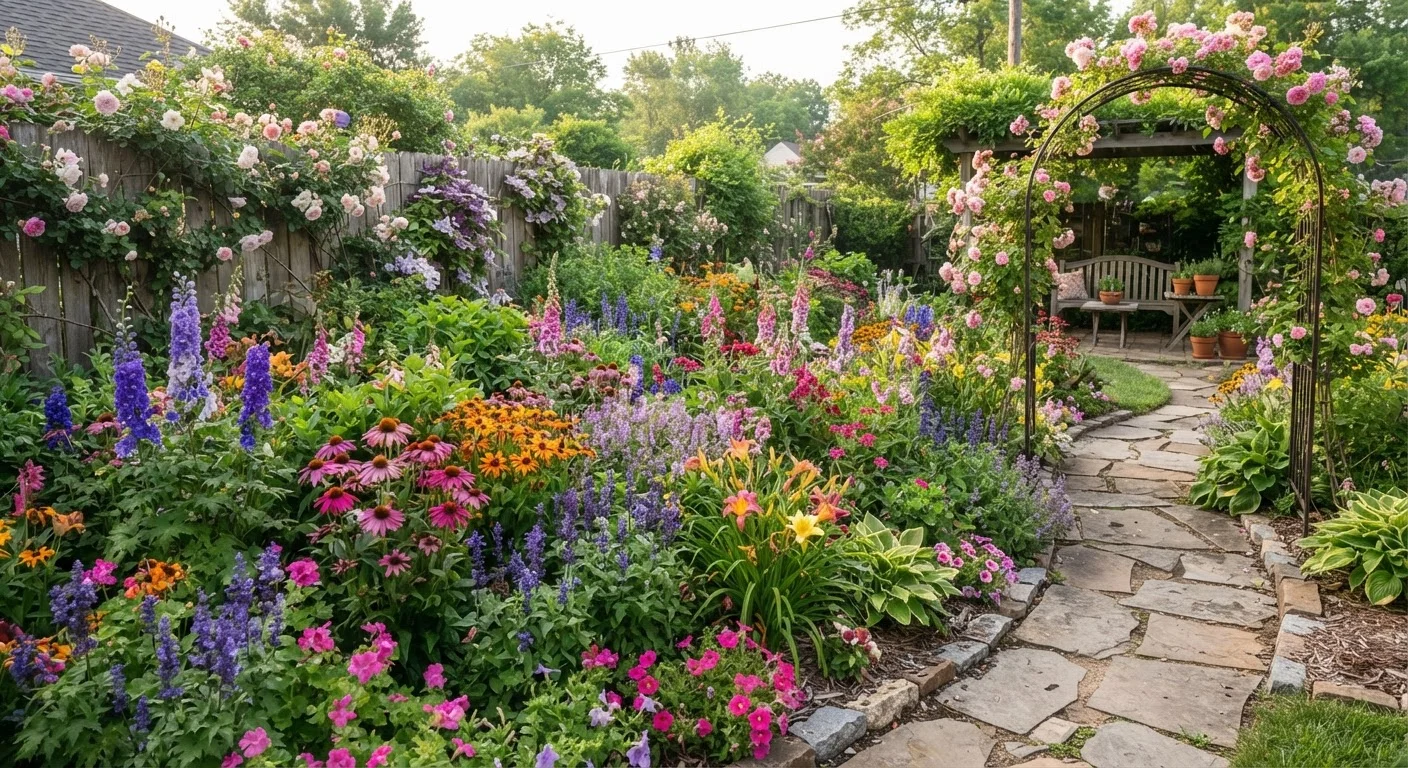
Photo credit: AdvisorHQ.net | Informative Website
In this article
Understand the real differences between perennial and annual plants so you can build a garden that fits your schedule and budget.
Key Takeaways
- Perennials return year after year, making them a lower-cost option over time despite a higher upfront price.
- Annuals complete their entire life cycle in one season, giving you maximum color flexibility each year.
- Combining both types lets you enjoy reliable structure from perennials and seasonal variety from annuals.
- Your climate, budget, and available time should all factor into how you balance the two plant types.
- Native perennials often require the least maintenance and support local pollinators.
What Sets Perennials and Annuals Apart
The core difference is lifespan. Perennials are plants that live for three or more years. They die back to the ground in winter (in most climates) but regrow from the same root system each spring. Annuals complete their full life cycle - germination, flowering, seed production, and death - within a single growing season.
A few plants fall into a middle category called biennials, which take two years to complete their cycle. However, for practical garden planning, most gardeners work within the perennial/annual framework.
Understanding this distinction shapes every other decision: how much you spend upfront, how often you replant, and how your garden evolves from year to year. For a broader seasonal perspective, see our seasonal lawn and garden care calendar to understand when each plant type needs attention.
| Perennials | Annuals | |
|---|---|---|
| Lifespan | 3+ years from same root system | One growing season only |
| Upfront cost | Higher per plant | Lower per plant |
| Long-term cost | Lower - no yearly repurchase | Higher - replant each year |
| Bloom duration | 2-4 weeks per season (varies) | Most or all of growing season |
| Maintenance effort | Low once established | Moderate - seasonal planting required |
| Design flexibility | Limited - fixed each season | High - redesign each year |
| Drought tolerance | Generally higher when established | Generally lower |
The Case for Perennials: Long-Term Investment
Perennials typically cost more per plant at the nursery, but that cost is spread across many growing seasons. A well-sited perennial can thrive for a decade or more with minimal intervention. Common examples include coneflowers (Echinacea), black-eyed Susans, hostas, and ornamental grasses.
Their root systems, which develop more robustly year after year, make established perennials more drought-tolerant than most annuals. This matters if you're trying to reduce watering demands - a topic explored in depth in our guide to garden watering methods and their tradeoffs.
One limitation: many perennials have a defined bloom window of two to four weeks per year. A garden planted exclusively with perennials may look sparse during off-peak periods. Strategic selection of early, mid, and late-blooming varieties can extend interest, but it requires planning. Native perennials are particularly well-suited to local conditions - see native plants worth getting to know for region-specific suggestions.
Divide Perennials to Save Money
Most perennials can be divided every three to five years as their clumps expand. Digging up and splitting the root mass gives you new plants for free, which you can use to fill other garden areas or share with neighbors. Division also keeps the original plant vigorous and blooming strongly. Early spring or early fall, when temperatures are mild, is generally the best time to divide most varieties.
The Case for Annuals: Seasonal Flexibility
Annuals bloom prolifically for their entire season because their biological mission is to produce as many seeds as possible before dying. This gives you long-lasting, dense color that few perennials can match in a single year. Popular choices include marigolds, petunias, zinnias, and impatiens.
The tradeoff is cost and effort. You'll purchase or start new plants each year, and replanting takes real time. For gardeners who enjoy the ritual of redesigning their beds seasonally, this is a feature rather than a bug - it allows you to change color schemes, try new varieties, and adapt to what worked and what didn't the prior year.
Annuals also tend to establish quickly, making them ideal for filling gaps in newer perennial plantings while the longer-lived plants mature. If you're working with limited space, annuals can be highly effective in containers - a strategy covered in our guide to growing in containers, raised beds, and vertical gardens.
Building a Balanced Garden Plan
Most experienced gardeners don't choose one over the other - they use both strategically. A common approach is the 70/30 rule: fill roughly 70% of your bed space with perennials to create structure and reduce annual replanting costs, and reserve 30% for annuals that keep the display looking vibrant all season long.
When planning, map out your bloom times. Identify which perennials will be active in spring, summer, and fall, then place annuals in spots that tend to look bare during transition periods. Layering by height - tall plants at the back, low growers at the front - applies equally to both types.
Soil health supports both categories. Enriching beds with organic matter each season gives annuals the nutrients they need to perform quickly and gives perennials the foundation to develop strong roots. Our guide to composting at home is a practical starting point for building that foundation. Also consider the role of mulch, which suppresses weeds around perennials and conserves moisture - see mulch vs. compost for a clear breakdown of how each material works.

Author
Home & Garden Editorial Team
Home & Garden Editorial Team is the collective byline for our editorial team and contributor network. Articles published under this byline or an editorial pen name are researched, written, and reviewed according to our editorial standards for clarity, consistency, and independence before publication.
View all articles →